

Showing Love Through Patience, Understanding, Forgiveness, and Everyday Acts of Kindness
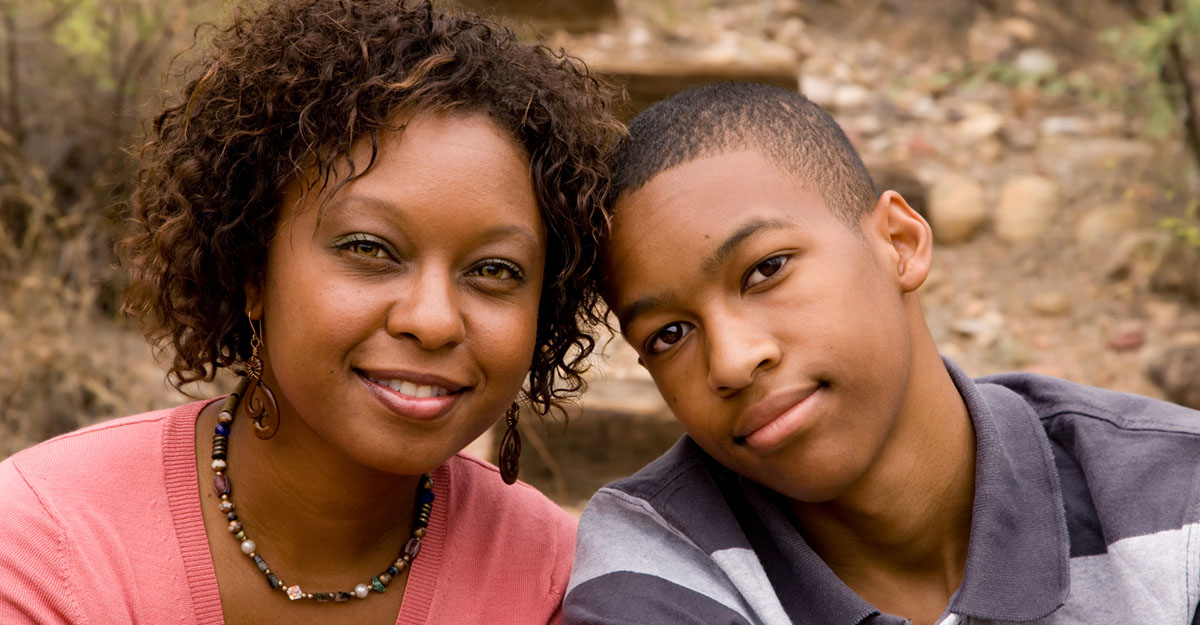
Loving our family and friends should be one of the most natural things in the world, but sometimes those relationships can be the hardest ones to navigate. We know these people. We have history with them, shared experiences, expectations, and sometimes a few disagreements that nobody seems to have forgotten! And when it comes to our children, loving them involves so much more than providing for their needs and making sure they have what they need to get through life. They need to know they’re loved, valued, heard, and accepted. They need our time and attention, and they need to see what love looks like through the way we treat them and the people around us. The same is true of our other family relationships and friendships. God doesn’t want us to reserve our kindness just for people we don’t know very well. It starts at home. He wants the love of Christ to influence the way we treat the people closest to us, too. So, what does that actually look like?
Don’t Take the People You Love for Granted
One of the easiest things to do in familiar relationships is to stop being intentional about showing people how much they mean to us. We assume our family knows we love them, or that our friends understand how much we appreciate them. But when was the last time we actually told them? And when it comes to our children, we need to be especially mindful of this. Providing a home, buying clothes, preparing meals, and taking care of their responsibilities are all important, but children need affection and personal attention, too. They need to know that spending time with them is something we enjoy, not another item on our to-do list. They need to be able to talk to us without feeling that we’re always too busy, distracted, or preoccupied with something else.
Romans 12:10 (NLT) says, “Love each other with genuine affection, and take delight in honoring each other.” I like that Scripture because it reminds us that love isn’t supposed to be something we simply assume people know about. We should take delight in showing it. That means making an effort to appreciate our spouses, check on our friends, spend time with our children, and let the people in our lives know they matter. We don’t have to wait for birthdays, holidays, or special occasions. Sometimes the little things we do every day speak volumes about how much we love somebody.
Learn to Be Patient With One Another
Let’s face it, the people closest to us know how to push our buttons. They know our habits, our personalities, and sometimes exactly what to say to get a reaction out of us. Children can test our patience in ways we never anticipated, especially when they’re going through stages where they’re learning, questioning, making mistakes, and trying to figure things out. But we have to remember that they’re children. They’re not going to think like adults, and we shouldn’t expect them to handle every situation with the maturity we expect from ourselves.
Ephesians 4:2 (NLT) says, “Always be humble and gentle. Be patient with each other, making allowance for each other’s faults because of your love.” That applies to our children just as much as it applies to our adult relationships. We need to be mindful of how we correct them, how we speak to them, and whether we’re actually listening when they’re trying to tell us something. Ephesians 6:4 (NLT) also gives parents this instruction: “Fathers, do not provoke your children to anger by the way you treat them. Rather, bring them up with the discipline and instruction that comes from the Lord.” God expects parents to provide guidance and correction, but how we go about doing that matters. We can correct a child without belittling them, embarrassing them, or making them feel as though they’re never good enough. And the same patience we want our children to extend to us is something we need to demonstrate toward them.
Be Willing to Forgive and Move Forward
Now, this one can be a little more difficult because some hurts are not easily forgotten. Family disagreements can go back years, friendships can be damaged by broken trust, and sometimes the people we love say things that stay with us much longer than they realize. But forgiveness is something we need to practice in our homes, and everywhere else.
Children make mistakes. They disobey, make poor decisions, and sometimes say things they shouldn’t. As parents, we have to correct them, but we also need to give them room to learn from those mistakes. We shouldn’t keep bringing up something they’ve already acknowledged and been corrected for, making them feel as though they’ll never get past it. And parents, we need to be willing to apologize when we’re wrong, too. Our children need to see that being an adult doesn’t mean we’re always right.
Colossians 3:13 (NLT) says, “Make allowance for each other’s faults, and forgive anyone who offends you. Remember, the Lord forgave you, so you must forgive others.” That applies to our friendships, marriages, family relationships, and the way we handle conflict with our children. Forgiveness doesn’t mean there are no consequences for wrongdoing, nor does it mean trust is automatically restored. But we shouldn’t use somebody’s past mistakes as a weapon against them. We can address what happened, establish appropriate boundaries when necessary, and still make room for healing and growth.
Loving our family and friends God’s way doesn’t mean we’ll never have disagreements, disappointments, or difficult seasons in those relationships. We’re dealing with people who have their own personalities, opinions, struggles, and ways of doing things. And if we’re honest, we’re not always the easiest people to deal with either! But our homes should be places where love is demonstrated, not simply talked about. Our children are watching how we handle disagreements, how we speak to one another, how we treat people who cannot do anything for us, and how we respond when somebody makes a mistake. They’re learning more from what we demonstrate than we may realize.
The same is true of our friends and other family members. We can make a decision to be more thoughtful with our words, more generous with our patience, quicker to show appreciation, and willing to admit when we’ve been wrong. Take a look at the relationships in your life. Are the people closest to you experiencing the love you say you have for them? Are your children seeing Christ reflected in the way you treat them? These are questions worth asking ourselves. We may not be able to change everybody else’s behavior, but we can certainly allow God to work on ours. And sometimes, that’s exactly where a better relationship begins. ■
Scripture quotations marked (NLT) are taken from the Holy Bible, New Living Translation, copyright © 1996. Used by permission of Tyndale House Publishers, Inc., Wheaton, Illinois 60189. All rights reserved.
Scripture taken from the New King James Version. Copyright © 1982 by Thomas Nelson, Inc. Used by permission. All rights reserved.
“How to Really Love Your Family and Friends”, written by Reverend Fran Mack for Sundie Morning Sistas ©2026. All rights reserved. All done to the glory of God through Jesus Christ, our Lord! SMS is dedicated to inspiring and encouraging Christian Women through the Word of God.

Leave a Reply