

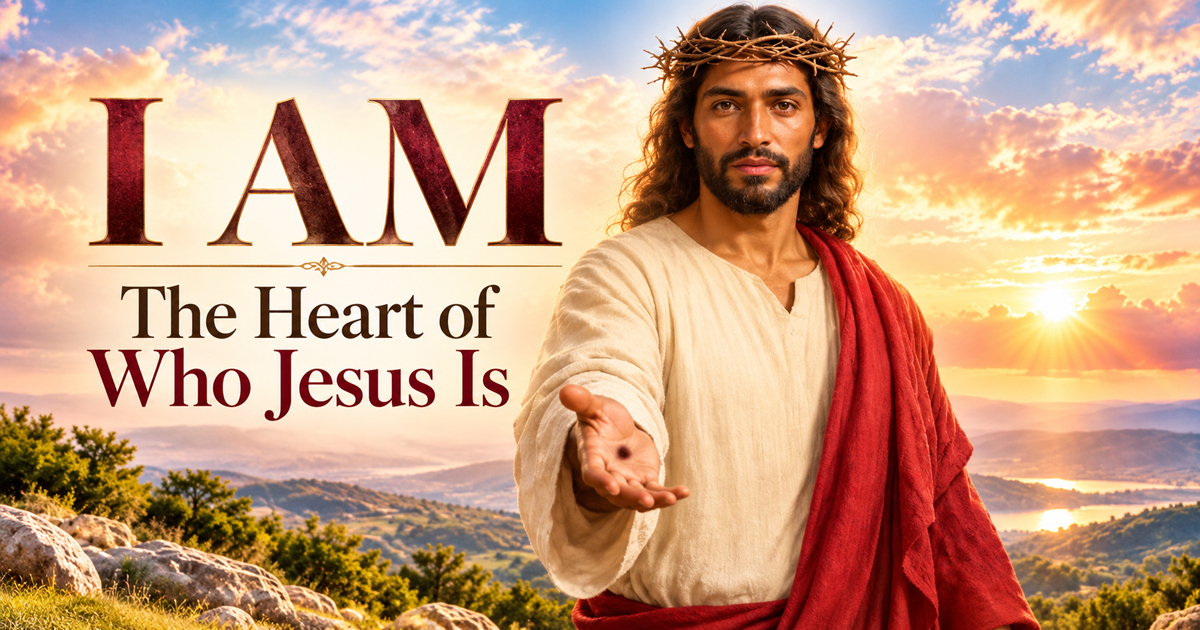
Exploring the “I AM” Statements in the Gospel of John
Before We Look at What Jesus Does, We Need to Understand Who He Is
When we talk about our Lord and Savior, Jesus Christ, we often talk about what He has done for us. We talk about how He provided when we didn’t know how we were going to make it. We talk about how He brought us through the storms, and how He made a way out of no way and led us to victory when we couldn’t even see the path. Those experiences matter so much. They remind us of His faithfulness and help to deepen our trust in Him. But for many of us, what we know about Jesus mostly comes from what He has done in our lives. We need to ask ourselves how much of our knowledge of Him actually comes from what He has revealed about Himself in His Word? There is a difference between knowing what Jesus can do and understanding who He is. Both of those matter of course, but we shouldn’t become so focused on what we need Him to do that we miss what Jesus wants us to understand about Himself.
In the Gospel of John, our Lord and Savior makes a number of statements that begin with the words “I am.” He calls Himself the Bread of Life, the Light of the World, the Good Shepherd, the Door, the Resurrection and the Life, the Way, the Truth and the Life, and the True Vine. These descriptions aren’t just used in His Word because they sound profound or spiritual. They are actually incredibly important to understanding and getting to know our Master Jesus.
Each one teaches us something important about Jesus Christ—about His relationship with the Father, and what it means to be His followers and belong to Him. For example, when He calls Himself the Bread of Life, He is telling us something about the life that only He can give. When He calls Himself the Good Shepherd, He is showing us how He knows each of us intimately and how He cares for, and protects those who belong to Him. And this is what makes these statements so important to study. Jesus is giving us a deeper understanding of His character, His authority, and His relationship with those who follow Him.
These two small words, “I AM” are immeasurably important to our relationship with Christ. When God spoke to Moses from the burning bush, Moses asked what he should tell the Israelites when they asked him for God’s name. In Exodus 3:14 (NLT), God answered, “I AM WHO I AM.” In the New Testament, in John 8:58 (NLT), we find Jesus saying, “I tell you the truth, before Abraham was even born, I AM!” Jesus was making an amazing statement about who He is. He wasn’t simply talking about the fact that He had been around longer than Abraham. His words pointed to His divine identity, and the response of the people in the verses that follow shows just how seriously they took what He said. This is one reason we need to pay attention when Jesus tells us who He is. His words are not casual statements, and we shouldn’t treat them that way.
The “I AM” statements in the Gospel of John invite us to look beyond the familiar words and consider what Jesus was actually revealing to us. We may know Him as our Provider, our Comforter, and the One we call on when life gets hard, but we also need to understand what He has revealed about Himself in Scripture. We can love the Lord, walk with Him for years, and still have so much more to learn about Him. That’s one of the reasons we need to spend time in His Word instead of relying only on what we’ve heard other people say about Him. Even passages we’ve read many times can teach us something we didn’t understand before. And sometimes, what we discover challenges the way we’ve been thinking or shows us that we haven’t understood something quite the way we thought we did. That’s part of growing in Christ. We have to be willing to let God’s Word teach us, correct us, and help us see Jesus more clearly.
When we begin to understand the One we have placed our faith in, it gives us a deeper foundation for trusting Him, following Him, and standing on what He has said, even when our circumstances are difficult. Let’s look closely at the words Jesus used to reveal Himself. There is much more here than we may have realized.
1. “I Am the Bread of Life” — John 6:35
Jesus said, “I am the bread of life. Whoever comes to me will never be hungry again” (John 6:35, NLT).
When Jesus called Himself the Bread of Life, He was speaking to people who didn’t have grocery stores a few blocks away, and many of them wouldn’t have had money to shop. So they were people who understood what it meant to need bread to survive. Bread was a common part of their daily lives, just as food is for us. We know what it means to feel hungry, and we know that when we eat, the hunger goes away for a little while. But Jesus was talking about a need that food alone can’t satisfy. We can have a full stomach, a comfortable home, a good job, and people who love us, but we still recognize that something is missing. There are needs that go deeper than what we can see or touch, and those needs cannot be satisfied by what the world offers.
Notice that Jesus didn’t say He would simply give us bread. He said He is the Bread of Life. There is a difference. We can become so focused on asking Jesus to provide what we need that we forget that our greatest need is Him. Yes, He cares about all the things on our plates, and we should bring those needs to Him. But He also wants us to understand that our spiritual lives depend on Him. We need His truth to guide us, His Word to teach us, and His presence in our lives as we learn to follow Him. Our relationship with Jesus Christ should be about more than asking Him to take care of our needs. It should be built on the understanding that He is our Source, and He is the One we need above everything else.
2. “I Am the Light of the World” — John 8:12
Jesus said, “I am the light of the world. If you follow me, you won’t have to walk in darkness, because you will have the light that leads to life” (John 8:12, NLT).
Light helps us see things we couldn’t see in the dark. It shows us what’s in front of us and helps us recognize where we’re going. Jesus used this picture to help us understand something important about who He is and why we need Him so desperately. He came to reveal God’s truth and show us how to live in a way that pleases our Heavenly Father. Without the truth of God’s Word, we can believe things that aren’t true, make decisions based on how we feel instead of what God has said, and convince ourselves that something is right simply because it makes sense to us. The thing is, we don’t always recognize when our thinking is off. Sometimes we’ve believed something for so long that we never stop to question whether it’s right. We build our lives around the conclusions that we’ve drawn—on what we’ve come to believe. Before we know it, those beliefs start shaping our choices and decisions. But when we follow Jesus, we must be willing to let His Word show us where we got it wrong. We have to be willing to renew our minds with His truth so that we begin to live it every day.
Pay attention to what Jesus promised: if we follow Him, we will have the light that leads to life. He didn’t say we would always understand everything that happens to us or that following Him would make every decision easy. He promised us His light. That means we don’t have to depend on our own judgment or let other people’s opinions determine what we believe. We have His Word to guide us, correct us, and help us see things the way God sees them. Sometimes His truth will confirm what we already know. Other times, it will show us that something we’ve believed, a decision we’ve made, or a direction we’ve been heading in needs to change. And that’s where following Jesus becomes personal. It’s one thing to say we want His light, but are we willing to follow it when it shows us something about ourselves that we would rather not face? His light isn’t there to leave us feeling condemned. It’s there to help us see the truth so we can walk in it. The question is, when Jesus shows us something we need to see, will we trust Him enough to follow where His light leads?
3. “I Am the Good Shepherd” — John 10:11
Jesus said, “I am the good shepherd. The good shepherd sacrifices his life for the sheep” (John 10:11, NLT).
A shepherd has a responsibility to care for the sheep that are entrusted to him. He watches over them, leads them, and protects them from danger. Jesus used this familiar picture to help people understand His care for us, the followers that have accepted Him as the Lord and Savior of our lives. We belong to Him, and He’s made it clear that His love wasn’t about watching from a distance. No. He willingly laid down His life for His sheep. He didn’t make empty promises, and He wasn’t being sentimental. He was explaining the kind of Savior He is and what He would do for those He came to save. Jesus gave His life for us, and His sacrifice demonstrates the depth of His love.
The shepherd is the one who guides. Jesus as the Good Shepherd also reminds us that we were not put here on this planet to direct our own lives. He’s the Leader; we’re the followers. Sure, we may make our plans, have our preferences, and come up with our own ideas about how things should go, but following Him means learning to trust His direction. That doesn’t mean that we’ll always understand where He’s leading us. And we don’t always know why He allows certain things to happen, but we have to trust His character, especially during the times when we don’t have all the answers. We also need to be careful not to confuse every thought or feeling we have with the voice of God. We’re in the process of learning to recognize His leading. We do that by becoming familiar with His Word and understanding what lines up with His character and truth. Jesus is the Good Shepherd, and we have a responsibility to follow Him, even when His direction is different from our plans or what we had in mind.
4. “I Am the Door” — John 10:7–9
Jesus said, “I am the gate. Those who come in through me will be saved” (John 10:9, NLT).
In John 10:9, Jesus was explaining that He is the way into salvation. A door or gate provides an entrance and allows us access. Jesus made it clear that we can’t make up our own way to get to the Father. We can’t earn our salvation by being good enough, doing enough good deeds, or trying to live a life that looks better than someone else’s. We don’t have any righteousness to call our own. God gives us His righteousness once we believe in the Lordship and resurrection of Jesus Christ.
Salvation is found in the Lord Jesus. He gave His life for our sins and made the way for us to be reconciled to God. This is one we have to get right, because people often have their own ideas about what makes someone right with God. We can’t hug a tree and call it worship. We can’t earn our way into heaven just because we give to charities and do good deeds, but many behave as if they can. Some believe that being a good person is enough. Others think that growing up in church is all it takes—that knowing the Bible or being involved in ministry automatically makes them right with Him. But Jesus sets us straight. He points us back to Himself. Our hope is not in what we have accomplished; it is in what He has done for us.
Jesus also said that those who come through Him will be saved and find pasture. Like sheep in a pasture full of grass they can eat, we’ll find nourishment that sustains us in Him. Once we have come to Him, we continue to live under His care and direction. We can’t claim to follow Jesus while insisting that we have the final say over what is right and wrong. God’s Word is true; our opinions don’t matter. We must always remember that Jesus Christ is our Savior, but He is also Lord. Knowing Him means trusting what He has done for us and learning to live according to His truth. As long as we live upon this earth, we will always need to put ourselves in check. We must make sure we’re truly depending on Jesus for our salvation, never placing our confidence in anything or anyone other than Him.
5. “I Am the Resurrection and the Life” — John 11:25–26
Jesus told Martha, “I am the resurrection and the life. Anyone who believes in me will live, even after dying” (John 11:25, NLT).
Jesus made this declaration when Martha and Mary were grieving the death of their brother, Lazarus. They knew Jesus could heal the sick, and they believed He could have prevented their brother’s death if He had arrived sooner. But Lazarus had already been in the tomb for four days when Jesus came. Martha was facing a loss she couldn’t change, and Jesus used that moment to reveal something about Himself, and it went far beyond what she expected. He didn’t simply tell her that resurrection was possible. He told her that He is the Resurrection and the Life. In other words, the power over death rests in Him. Shortly afterward, Jesus called Lazarus out of the tomb. He demonstrated His authority over death in a way those present could witness for themselves.
We all face situations that continue to persist even when we’ve done all we know to do. We can’t reverse all the losses we’ve had. We can’t repair every broken situation or relationship, and we can’t bring back all the things the enemy has stolen from us. Sometimes we pray for a particular outcome and have to face the fact that things just did not happen the way we hoped. Jesus’ words do not mean that every painful situation will be reversed or that believing in Him keeps us from experiencing grief. They point us to a hope that reaches beyond our present circumstances and even beyond physical death. For those who belong to Christ, death does not have the final word. Jesus does. Our hope is not based on our ability to make things turn out the way we want them to. Our hope rests in the One who has power over death and promises eternal life to those who believe in Him.
6. “I Am the Way, the Truth, and the Life” — John 14:6
Jesus said, “I am the way, the truth, and the life. No one can come to the Father except through me” (John 14:6, NLT).
This is one of the clearest statements Jesus made about who He is and His relationship to the Father. He didn’t say He would show us one possible way to God among several options. No, He said He is the way. He is the truth, and He is the life. Now, we need to understand what Jesus is telling us here. He isn’t giving us a list of options and telling us to choose the one that feels right. We can’t work our way to God, earn our way into His presence, or decide for ourselves what we want to believe about Him. Jesus came to deal with the sin that separated us from God and make it possible for us to be reconciled to the Father. And He did what no amount of good deeds, religious activity, or human effort could ever do. He gave His life for us. That’s why we can’t afford to get this wrong. If we don’t understand who Jesus is, we won’t fully understand why we need Him or what He came to do for us.
We live in a world where people have different beliefs about God, truth, and what it means to live a good life or be a good person. We may hear that it doesn’t matter what we believe as long as we are sincere, or that everyone can decide for themselves what is true. But sincerity doesn’t make something true, and our personal opinions don’t determine who God is. As Christians, we are called to build our faith on what God has revealed in His Word. That means we cannot accept every idea simply because it sounds reasonable or makes us feel comfortable. We must be willing to examine what we believe in light of Scripture. Jesus is not merely someone who offers us helpful advice for living. He is the way to the Father, the truth we are called to believe, and the source of the eternal life He gives.
7. “I Am the True Vine” — John 15:1–5
Jesus said, “I am the vine, and you are the branches. Those who remain in me, and I in them, will produce much fruit. For apart from me you can do nothing” (John 15:5, NLT).
When Jesus described Himself as the True Vine, He was teaching His disciples about the importance of remaining in Him. A branch cannot produce fruit on its own if it has been separated from the vine that supplies what it needs. In the same way, we cannot produce the kind of spiritual fruit God desires through our own strength and determination alone. We can be busy doing good things, serving in church, helping people, and trying to live right, but outward activity is not the same as spiritual growth. Jesus was explaining that our lives must remain rooted in Him. We need His Word, His direction, and His work in us. Our relationship with Him is not something we attend to only when we have a problem or need an answer. It is the foundation from which our lives as believers are meant to grow.
Remaining in Jesus means continuing in our relationship with Him, holding on to His teachings, and allowing His Word to shape the way we live. It means obeying Him, depending on Him, and recognizing that we cannot separate the life He calls us to live from our need for Him. This doesn’t mean we sit back and do nothing because Jesus said we can do nothing apart from Him. It means our efforts must come from a life that depends on Him rather than from the belief that we can accomplish spiritual growth on our own. As we remain in Him, our lives should begin to reflect His character in the way we treat people, respond to difficulties, make decisions, and handle our responsibilities.
So we need to ask ourselves whether we’re so busy trying to do more for Jesus that we’re neglecting the intimacy in our relationship with Him that He desires. Because it’s not about how much we do. It’s about whether we’re abiding in Him, allowing His Word to shape us, and letting Him work in us. The fruit He desires to see in us comes from walking with Him, trusting Him, and allowing Him to have His way in our lives.
Knowing the One We Believe In
When we look at these seven “I AM” statements together, we begin to see just how much Jesus was revealing about Himself. He is the Bread of Life who meets our deepest spiritual need. He is the Light of the World who shows us the truth. He is the Good Shepherd who laid down His life for His sheep. He is the Door through whom we enter into salvation. He is the Resurrection and the Life, the One who has power over death. He is the Way, the Truth, and the Life, the only way to the Father. And He is the True Vine, because our spiritual lives depend on abiding in Him. These aren’t just names Jesus gave Himself. They help us understand who He is, why we need Him, and what it means to follow Him.
Each statement gives us another reason to look beyond a limited understanding of Jesus. We may have walked with Him for years, experienced His faithfulness, and learned to call on Him in difficult times, but there’s always more for us to understand about the One we serve. We should never assume that because we have been believers for a long time, that we already know everything we need to know about Him. As we continue to study His Word, we discover more about His character, His purpose, and what it means to be a follower of Christ.
As you reflect on these statements, take some time to consider which one speaks most directly to where you are in your walk with the Lord right now. Is He reminding you that He is your Source of life, the One who leads you in truth, or the One you need to trust when you cannot change your circumstances? Are you truly allowing Him to lead you, or have you been trying to direct everything yourself? Whatever the case may be, don’t stop learning about Jesus. A thousand lifetimes would not be enough for us to even scratch the surface of all that He is. Let His truth deepen your understanding of Him and shape the way you live. The more we come to know Jesus as He has revealed Himself, the more firmly we can build our lives on the truth of who He is. ■
Holy Bible, New Living Translation copyright © 1996, 2004, 2007 by Tyndale House Foundation. Used by permission of Tyndale House Publishers Inc., Carol Stream, Illinois 60188. All rights reserved.
“I AM: The Heart of Who Jesus Is”, written by Reverend Fran Mack for Sundie Morning Sistas ©2026. All rights reserved. All done to the glory of God through Jesus Christ, our Lord! SMS is dedicated to encouraging and inspiring Christian Women to live boldly through God’s Word.

Leave a Reply